

Andra Arnold & Associates are a Top Rated, Award-Winning Guelph real estate team that has a passion for helping people. We truly live by our motto “Here to Help”. Our team brings quality expertise to our clients’ buying and selling experiences. The team's dedication, eagerness to help, and experience allow clients navigate one of life’s biggest decisions!
What Most Buyers Overlook When Comparing Guelph Homes for Sale
Andra Arnold • February 26, 2026
Most buyers enter the Guelph market armed with a checklist: price range, number of bedrooms, renovation level, maybe a preferred neighbourhood. With new listings appearing quickly, comparisons often stay surface-level by necessity.
That approach helps narrow options, but rarely supports long-term satisfaction.
When buyers compare
Guelph homes for sale, long-term satisfaction and resale value often hinge on details that never appear in listing photos. These overlooked details affect ownership costs, resale appeal, and a home's adaptability to changing needs.
This article breaks down the questions buyers rarely ask during showings but often wish they had once comfort, maintenance, or resale comes into play.
Why “Similar” Guelph Homes Aren’t Actually Equal
Two homes can look interchangeable on paper, same price, size, and finishes, for example. But their performance over time can tell a different story.
Listings focus on what sells quickly. They rarely explain how a home handles winter sun, street noise, or nearby future development. Those gaps create differences that buyers only discover after moving in.
Hidden Differentiators Buyers Rarely Compare
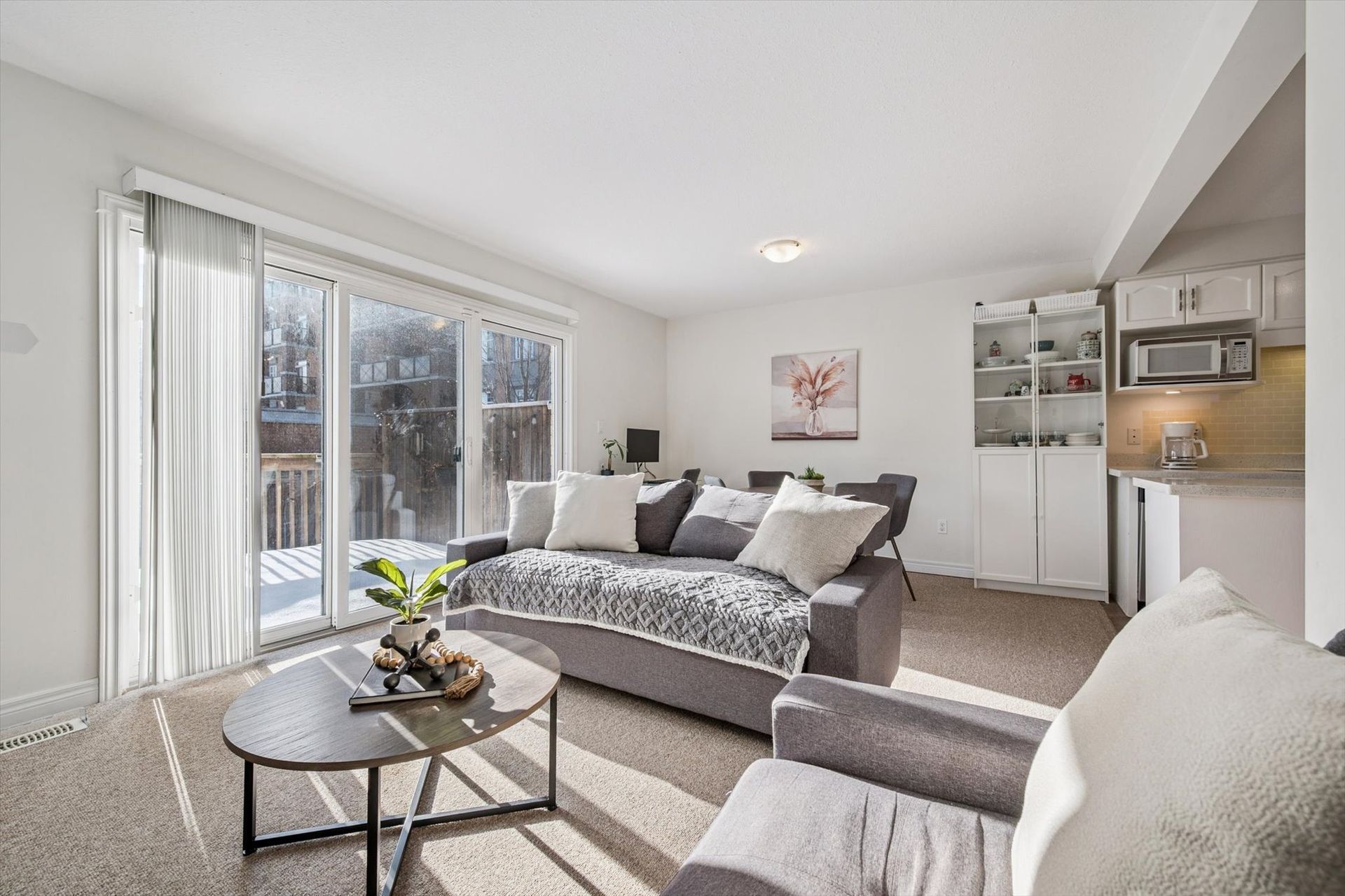
The real separation comes from hidden differentiators, including how the lot sits on the street, how the home interacts with the seasons, and how the surrounding area functions day-to-day. For example, in Guelph’s climate, sun exposure influences natural light throughout the winter months, heating and cooling demand across seasons, and the amount of snow melt and ice buildup on driveways and walkways.
South-facing lots receive steadier daylight, keeping interiors brighter and snow clearing faster. North-facing lots hold shade longer, increasing moisture and ice persistence.
East- and west-facing homes bring trade-offs. Morning light benefits kitchens and living spaces. Afternoon sun raises cooling needs during humid summers.
Listings rarely clarify orientation in practical terms. Buyers notice the difference later through higher energy bills, exterior maintenance costs, and the ability to use their outdoor space year-round.
How These Differences Affect Ownership Costs
Consider the difference in winter utility costs between a home designed for maximum solar gain and one constantly shadowed by mature trees or adjacent buildings. A home that benefits from passive solar heating can significantly reduce reliance on a furnace during freezing Ontario winters.
Conversely, a house that requires extra artificial lighting and furnace run-time during the day quickly becomes more expensive to operate. These substantial, recurring costs impact your monthly budget for as long as you own the home. Recognizing these differentiators early allows you to accurately predict true ownership costs rather than relying solely on the asking price.
Neighbourhood Micro-Differences Buyers Miss
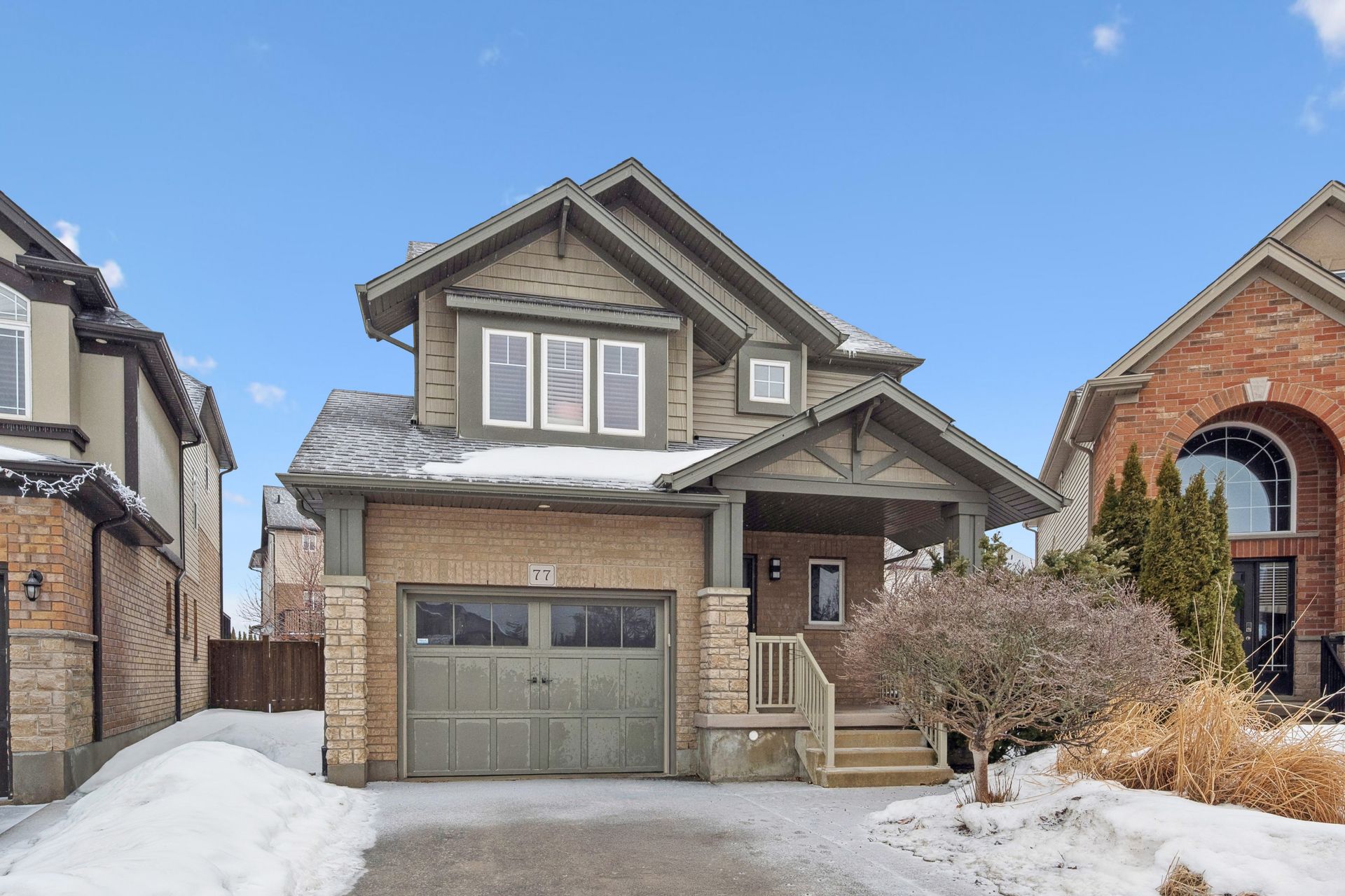
Small location shifts can change how a home feels day-to-day. Within the same neighbourhood, buyers may overlook factors such as:
- A house near a school experiences predictable weekday spikes in traffic, noise, and parking congestion.
- A home closer to a park may deal with weekend crowds, evening activity, and limited street parking during events.
- Streets that serve as cut-through routes experience more traffic, higher speeds, and higher noise levels than nearby residential-only roads.
- Streets without sidewalks can encourage faster vehicle speeds, increasing noise levels, and reducing the sense of safety for residents and visitors.
- Homes near intersections, stop signs, or pedestrian crossings experience frequent stopping, accelerating, and idling, which raises noise and activity throughout the day.
- Properties backing onto multi-use paths or service roads often experience steady foot traffic, bike traffic, and maintenance vehicles, and reduced backyard privacy.
- Locations near bus routes or transit stops with higher daily activity levels attract regular foot traffic, vehicle idling, and early-morning or late-evening noise.
- Streets with limited on-street parking create congestion, resulting in slower traffic, blocked driveways, and frustration during peak hours or events.
- Homes near community facilities, such as arenas or recreation centres, experience evening and weekend surges in traffic, parking demand, and noise associated with scheduled activities.
Even modest differences can affect your comfort. A corner lot is subject to traffic from multiple directions, while a mid-block home benefits from calmer movement. One block of distance can be the difference between steady quiet and daily disruption.
These micro-differences affect resale outcomes. Buyers notice noise, congestion, and access issues within minutes of arriving for a showing. Homes positioned away from pressure points attract a wider range of buyers and face fewer objections, which supports stronger demand over time.
Renovations That Add Value vs Renovations That Hide Issues.
Functional upgrades improve a home's performance over time. Cosmetic updates usually aim to make a home look appealing during resale. That difference can alter ownership experience and long-term value.
Buyers gain clarity by identifying improvements that address how the home works, such as:
- Updated electrical systems that meet current safety standards
- Replaced plumbing that reduces leaks and water-pressure issues
- Added or upgraded insulation that improves energy efficiency
- Drainage corrections that manage water away from the foundation
- Moisture control work that reduces long-term basement risk
Typical red flags associated with fast
renovations designed for quick resale include:
- Newly finished basements without records of moisture testing or mitigation
- Kitchen updates that change surfaces but leave aging wiring or plumbing untouched
- Wall finishes that cover foundation movement or water staining
- Flooring installed over uneven or previously damaged subfloors
- Renovations completed without permits or inspections
Fresh finishes don’t confirm quality. Permits, inspection records, and material choices show whether the work solved real problems or only improved appearance. Homes with documented, functional upgrades typically hold value more consistently and face fewer issues at resale.
Zoning, Development, and Future Growth Impacts
Zoning determines what buyers will live with after the purchase closes. It governs how homeowners can use the land around a property, directly affecting privacy, noise, and future value.
Zoning influences factors such as:
- How much backyard privacy a homeowner can expect over time
- Whether new buildings can appear next door or behind the property
- If rental units or secondary suites are permitted now or in the future
- How close future development can sit to existing homes
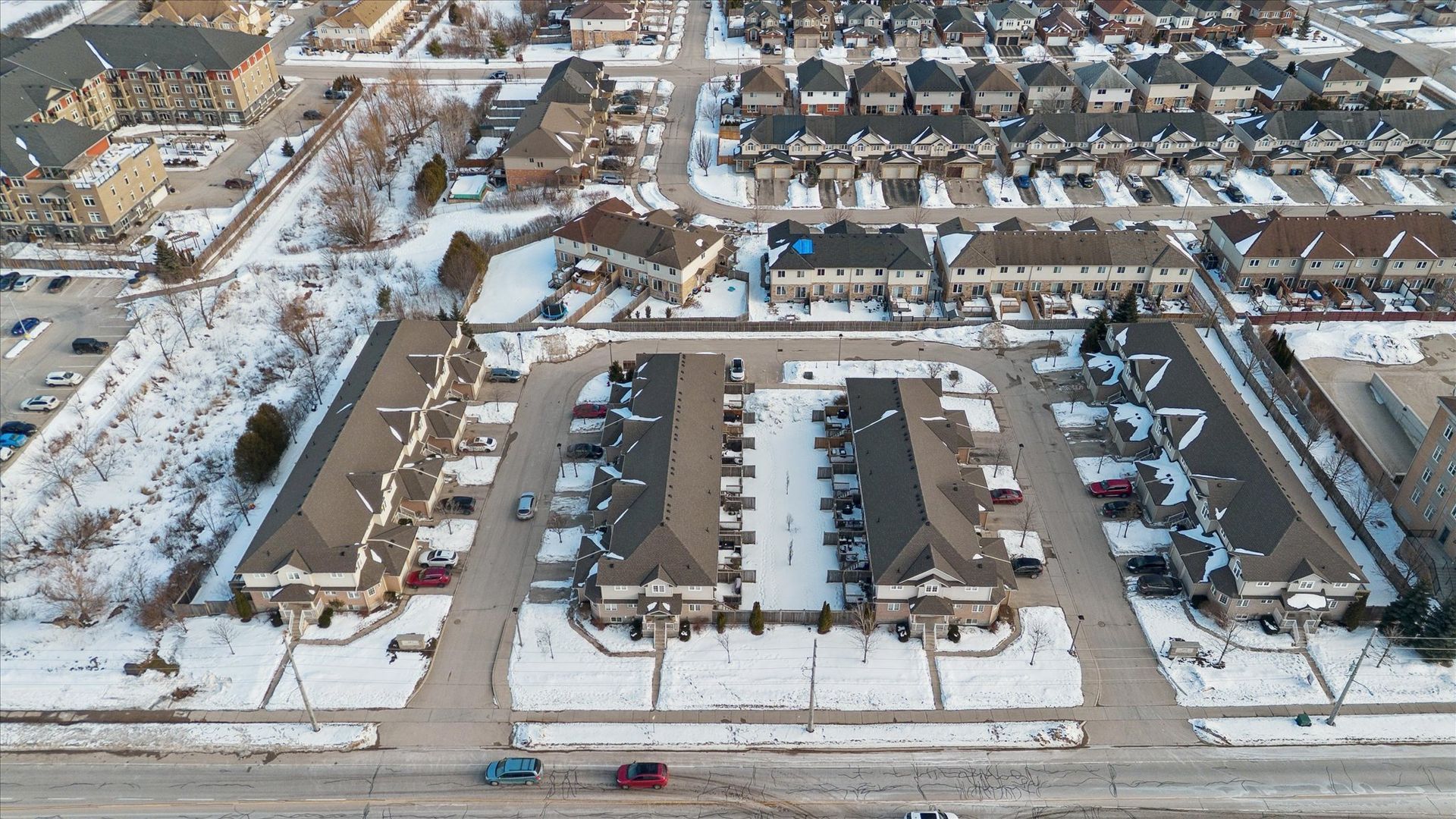
Guelph continues to grow through intensification and infill development. Some neighbourhoods permit moderate density through secondary units and small additions. Others sit near transit corridors or employment areas where larger projects are more likely to occur.
Buyers who review zoning understand what may change around them. A quiet lot today may be subject to nearby construction or increased density in the future. Development can improve access to services and transit, but it can also increase traffic, raise noise levels, and alter sightlines.
How These Factors Affect Resale and Long-Term Value
Future buyers decide fast, often within minutes of walking through a home. Certain features stand out immediately and influence how they perceive the property.
Homes often perform better on resale when they offer steady natural light, predictable street activity, a clear renovation history, and efficient layouts. These qualities reduce uncertainty and give buyers peace of mind.
When overlooking those details, the buyer pool narrows. Noise issues, poor orientation, or upgrades that raise concerns slow appreciation and extend time on market. Careful comparisons protect equity. They limit future friction and help position a home as easy to live in and easy to sell.
Choosing a Home That Holds Its Value
Strong homes prove themselves over time. They remain comfortable across seasons and resilient as neighbourhoods evolve.
Buyers who look beyond finishes and price points choose properties that hold value and adapt well to future needs. Comparing the right details before committing helps avoid regret and protects long-term outcomes.
Working with a team like Andra Arnold and Associates, who understand how Guelph’s housing stock, zoning rules, and neighbourhood patterns perform over time, helps buyers make informed decisions that remain sound well after move-in day.
Looking to buy a home in Guelph?
More blog posts on buying and selling real estate

Moving to Guelph? Learn about neighbourhoods, schools, commuting, parks, housing costs, and what to expect before relocating to Guelph.
April 2026 Guelph Real Estate Market Report

Learn how to save for a down payment in 2026 with practical tips for setting goals, budgeting, tracking progress, and preparing for homeownership in Guelph.